

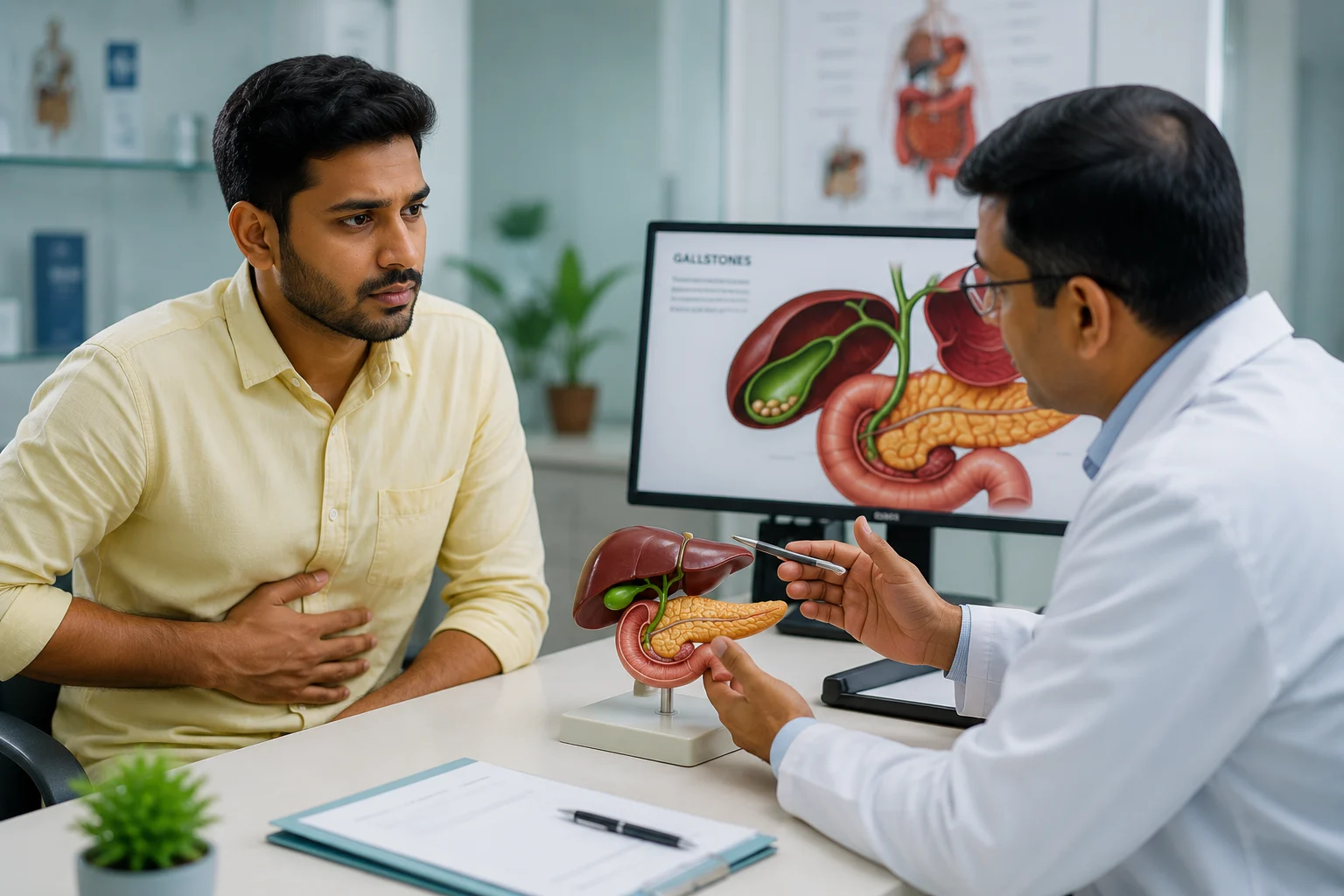
If you’ve been advised to undergo gallbladder surgery, getting a second opinion can help you better understand your diagnosis, confirm whether surgery is necessary, and explore all available treatment options. Another experienced surgeon can review your symptoms, scan reports, and medical history before you make an important decision.
For most non-emergency cases, seeking a second opinion is a safe and responsible step that can give you greater confidence in your treatment plan.
What Is Gallbladder Surgery?
Gallbladder surgery, also known as cholecystectomy, is a procedure to remove the gallbladder when it causes ongoing pain, inflammation, infection, or complications due to gallstones.
Today, most gallbladder surgeries are performed using laparoscopic (keyhole) surgery, which usually involves smaller incisions, less pain, and a quicker recovery than traditional open surgery.
Do All Gallstones Need Surgery?
No.
Many people have gallstones without any symptoms and may never need treatment. Surgery is usually recommended when gallstones cause repeated symptoms or complications.
Your doctor may recommend surgery if you have:
- Frequent pain in the upper right abdomen
- Gallbladder inflammation (Cholecystitis)
- Infection
- Blocked bile duct
- Pancreatitis caused by gallstones
- Repeated gallstone attacks
If your symptoms are mild or your diagnosis is unclear, getting a second opinion can help determine whether surgery is the best option.
When Should You Get a Second Opinion?
Consider getting a second opinion if:
- Surgery has been recommended immediately
- You’re unsure whether surgery is necessary
- Your symptoms come and go
- You want to explore non-surgical treatment options
- You’ve received different opinions from different doctors
- You want to understand the benefits and risks before surgery
A second opinion can help you make an informed decision without unnecessary stress.
What Happens During a Second Opinion?
During a second opinion consultation, the surgeon will carefully review:
- Your symptoms
- Ultrasound or CT scan reports
- Blood test results
- Previous prescriptions
- Medical history
After reviewing your reports, the doctor will explain:
- Whether surgery is necessary
- If laparoscopic surgery is suitable
- Possible non-surgical options
- Expected recovery time
- Potential risks and benefits
The goal is to ensure you have all the information you need before choosing your treatment.
Can Gallstones Be Treated Without Surgery?
It depends on your condition.
If your gallstones are not causing symptoms, your doctor may recommend regular monitoring instead of surgery.
However, if you have:
- Repeated pain
- Infection
- Gallbladder inflammation
- Complications caused by gallstones
Removing the gallbladder is often the safest and most effective long-term treatment.
Only an experienced surgeon can determine the best option based on your individual condition.
Risks of Delaying Gallbladder Surgery
While many patients can safely seek a second opinion, delaying treatment for too long may increase the risk of complications in some cases.
Possible complications include:
- Severe infection
- Gallbladder rupture
- Blocked bile duct
- Pancreatitis
- Emergency surgery
This is why it’s important to seek timely medical advice rather than ignoring persistent symptoms.
How to Choose the Right Hospital for Gallbladder Surgery
When choosing a hospital, consider:
- Experienced general and laparoscopic surgeons
- Modern diagnostic facilities
- Minimally invasive surgery expertise
- Clear communication with patients
- Personalized treatment plans
- Comprehensive post-operative care
A good hospital should help you understand every treatment option so you can make a confident decision.
Why Patients Choose JIGS Hospital for a Second Opinion
If you’re looking for a second opinion for gallbladder surgery in Bangalore, JIGS Hospital, Kudlu, offers consultations with experienced surgeons who carefully review your diagnosis and explain your treatment options.
Patients visit JIGS Hospital for expert care related to:
- Gallbladder Surgery
- Laparoscopic Surgery
- Hernia Surgery
- Appendix Surgery
- Colon & Rectal Surgery
- Endoscopy
- Colonoscopy
- General Surgery
- Gastrointestinal Disorders
The team focuses on providing clear explanations, reviewing diagnostic reports, and helping patients understand whether surgery is the most suitable treatment or if other options are available.
Conclusion
Gallbladder surgery is an effective treatment for many patients with symptomatic gallstones, but it’s important to understand why the procedure is recommended before making your decision. A second opinion can help confirm your diagnosis, explain all available treatment options, and give you confidence in the care you choose.
If you’ve been advised to undergo gallbladder surgery, get a trusted second opinion from the experienced surgical team at JIGS Hospital, Kudlu.
Call +91 90901 00075 to book your consultation today.
Frequently Asked Questions
1. Do I really need gallbladder surgery?
If your gallstones are causing repeated pain, infection, inflammation, or complications, surgery is often recommended. A second opinion can help confirm the best treatment plan.
2. Can gallstones go away without surgery?
Gallstones usually do not disappear on their own. Treatment depends on whether they are causing symptoms or complications.
3. Is laparoscopic gallbladder surgery safe?
Yes. Laparoscopic gallbladder surgery is considered a safe and commonly performed procedure for most patients, with faster recovery than open surgery.
4. How long does it take to recover from gallbladder surgery?
Most people return to normal daily activities within one to two weeks after laparoscopic surgery, depending on their overall health.
5. Can I get a second opinion before gallbladder surgery?
Yes. Seeking a second opinion can help confirm your diagnosis, explain available treatment options, and ensure surgery is the right choice for your condition.
6. Which hospital is best for gallbladder surgery and a second opinion in Bangalore?
If you’re looking for expert guidance, JIGS Hospital, Kudlu, offers second opinion consultations and advanced treatment for gallbladder disease and other general surgical conditions.


