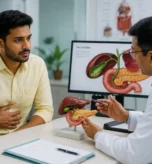

Two key diagnostic procedures used to evaluate digestive disorders are endoscopy and colonoscopy. The main difference is that an endoscopy examines the upper digestive tract, including the oesophagus and stomach, while a colonoscopy examines the lower digestive tract, including the colon and rectum. Understanding these differences can help patients make informed healthcare decisions and receive the right diagnostic test based on their symptoms.
Introduction
Today’s changing lifestyles, stress, unhealthy eating habits, and aging have immensely contributed to digestive problems. Some of the commonly occurring issues include stomach pain, acidity, constipation, bleeding, bloating, or unexplained weight loss.
Although both endoscopy and colonoscopy help doctors examine the digestive tract, they focus on different areas of the body and are used for different purposes. Hence, the best step forward would be to get to know what endoscopy and colonoscopy are.
Endoscopy vs Colonoscopy
| Endoscopy | Colonoscopy |
| Helps in examining the upper digestive system | Helps to study the lower part of the digestive system |
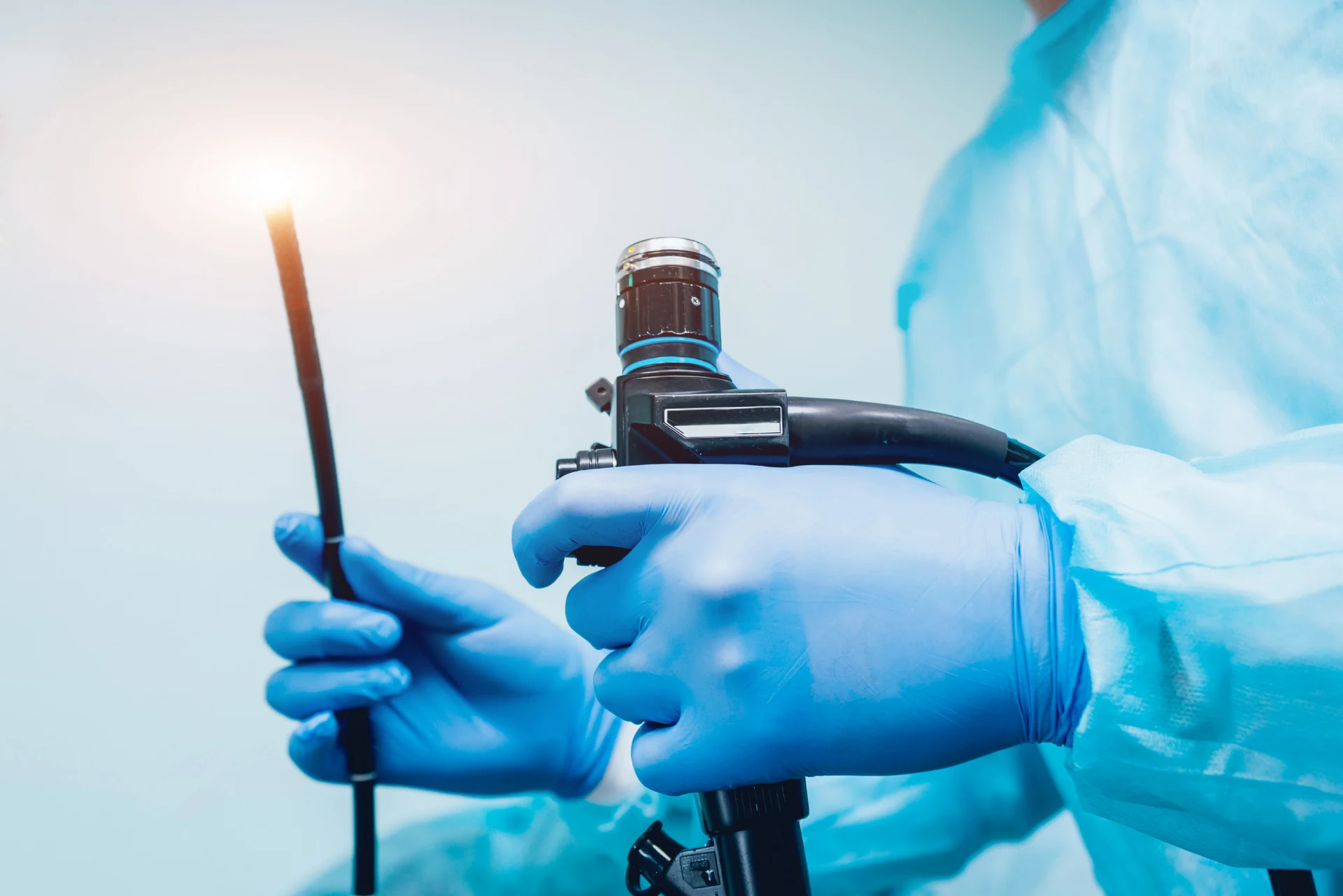
| A thin flexible tube called an endoscope is inserted through the mouth and passed into the oesophagus, stomach, and upper part of the small intestine. | A long, flexible tube with a camera is inserted through the rectum to look for abnormalities inside the colon. |
| The procedure usually takes about 15–30 minutes | The procedure takes around 30–60 minutes |
Recommended when symptoms include
|
Recommended when symptoms include
|
Why Choose JIGS Hospital for Endoscopy and Colonoscopy?
Located near Kudlu Gate, Bangalore, JIGS Hospital offers advanced endoscopy and colonoscopy services to help diagnose and manage digestive health conditions accurately. Our experienced gastroenterology specialists use modern technology to evaluate symptoms such as acidity, abdominal pain, bleeding, constipation, diarrhea, and other gastrointestinal concerns.
Services Available at JIGS Hospital
- Upper GI Endoscopy
- Colonoscopy
- Digestive Health Evaluation
- Gastrointestinal Disorder Treatment
- Colorectal Cancer Screening
- Management of Acidity, Ulcers, and Digestive Disorders
Our team is committed to providing safe, comfortable, and patient-focused care for timely diagnosis and effective treatment.
Understanding Colonoscopy vs Endoscopy
Although both procedures help diagnose digestive disorders, they examine different parts of the digestive system. Endoscopy is used to evaluate the upper digestive tract, while colonoscopy helps assess the colon and rectum. Your doctor will recommend the most suitable procedure based on your symptoms and medical history.
Conclusion
Digestive problems should never be ignored. Timely diagnosis through endoscopy or colonoscopy can make a major difference in treatment outcomes and overall health. If you or a loved one would like to learn more about colonoscopy vs endoscopy or are experiencing digestive symptoms, schedule a consultation with the experienced gastroenterology specialists at JIGS Hospital, Kudlu Gate, Bangalore, for accurate evaluation and personalized care.
Book an appointment today and take the first step toward better digestive health.
Frequently Asked Questions
- Which is better, endoscopy or colonoscopy?
The choice depends on the symptoms and the area of the digestive tract that needs examination. - Is a colonoscopy more painful than an endoscopy?
Both procedures are generally comfortable with sedation. - How long does it take to recover after endoscopy or colonoscopy?
Most people recover within a few hours and can resume normal activities the next day unless advised otherwise by the doctor. - Can endoscopy and colonoscopy be done together?
Yes. In some cases, doctors perform both procedures on the same day to evaluate the complete digestive tract. - Who should undergo colonoscopy screening?
People above 45 years of age, especially those with a family history of colorectal cancer or digestive symptoms, should consider screening.
Refrences
- Mayo Clinic – “Upper Endoscopy”
- Cleveland Clinic – “Colonoscopy”
- Johns Hopkins Medicine – “Upper GI Endoscopy”
- WebMD – “Endoscopy Directory”
- Healthline – “Colonoscopy vs Endoscopy”