
Endoscopy vs Colonoscopy. What’s the Difference?
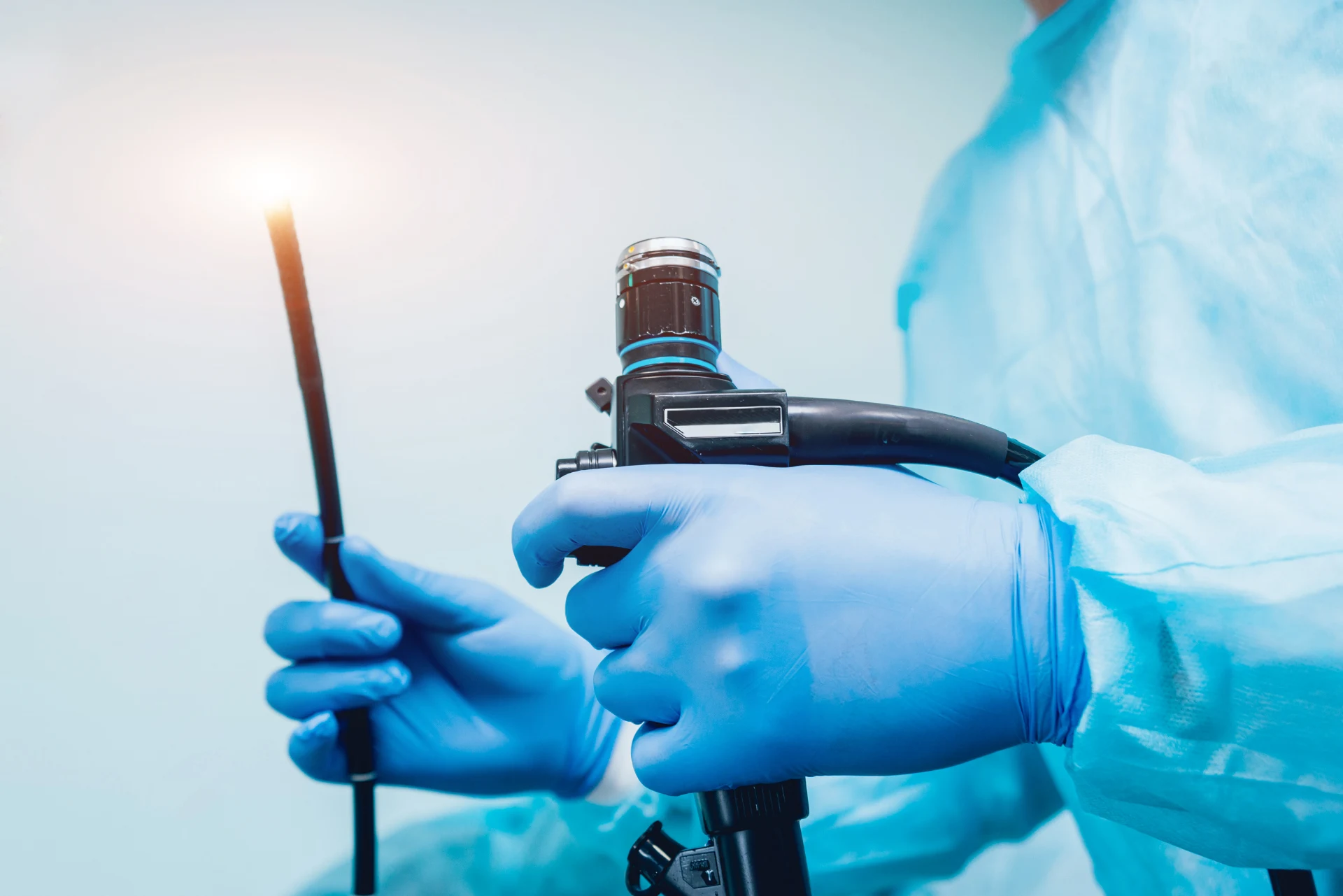
Endoscopy (upper GI endoscopy) examines the oesophagus, stomach and first part of the small intestine through the mouth. Colonoscopy examines the colon and rectum through the rectum. Heartburn, difficulty swallowing, persistent nausea or vomiting usually point to endoscopy. Blood in stool, a lasting change in bowel habits or colorectal cancer screening usually point to colonoscopy. Your gastroenterologist makes the final decision after assessing your symptoms and history.
This guide is for adults with digestive symptoms, and people aged 45 and above considering colorectal cancer screening.
Introduction
Acidity, stomach pain, bloating, constipation, bleeding and unexplained weight loss are common reasons people in Bangalore see a gastroenterologist. Two tests often come up: endoscopy and colonoscopy. Both use a thin, flexible tube with a camera, but they examine different parts of the digestive tract and answer different questions. This guide compares endoscopy vs colonoscopy side by side, so you know which test suits your symptoms and what to expect.
Today’s changing lifestyles, stress, unhealthy eating habits, and aging have immensely contributed to digestive problems. Some of the commonly occurring issues include stomach pain, acidity, constipation, bleeding, bloating, or unexplained weight loss.
What Is the Difference Between Endoscopy and Colonoscopy?
| Endoscopy | Colonoscopy |
| Helps in examining the upper digestive system | Helps to study the lower part of the digestive system |
| A thin flexible tube called an endoscope is inserted through the mouth and passed into the oesophagus, stomach, and upper part of the small intestine. | A long, flexible tube with a camera is inserted through the rectum to look for abnormalities inside the colon. |
| The procedure usually takes about 15–30 minutes | The procedure takes around 30–60 minutes |
Recommended when symptoms include
| Recommended when symptoms include
|
How Do You Prepare for Endoscopy and Colonoscopy?
For an endoscopy, you’ll need an empty stomach, so no food or drink for about 6 to 8 hours before. Let your doctor know if you take blood thinners or diabetes medicines, or if you have any allergies.
A colonoscopy needs more groundwork. The day before, you’ll stick to clear liquids and take a cleansing solution that your doctor prescribes. It isn’t pleasant, but a clean bowel is what lets the doctor see properly. Ask whether any of your regular medicines need to be changed.
Whichever test you have, bring someone along if you’re getting sedation. You shouldn’t drive home.
Are Endoscopy and Colonoscopy Safe?
For most people, yes. Both are routine tests, and serious problems like bleeding, a tear in the gut wall or a bad reaction to sedation are rare.
Still, call your doctor or head to the emergency room if you get severe stomach pain, a fever, repeated vomiting, black stools or heavy bleeding afterwards. At JIGS Hospital you can reach us any time on 080 4991 1165.
Which Test Do You Need? Three Common Scenarios
Burning in the chest and trouble swallowing for a few weeks. This points to the upper gut, so an endoscopy is the likely next step.
Blood in the stool, or a change in your bowel habits that won’t go away. This points to the lower gut, so expect your doctor to suggest a colonoscopy.
Anaemia or weight loss with no clear reason. The cause could be anywhere along the digestive tract, so some people end up needing both tests. Your doctor will decide the order.
Endoscopy and Colonoscopy at JIGS Hospital JIGS Hospital, Kudlu Gate, Bengaluru
Located near Kudlu Gate, Bangalore, JIGS Hospital offers advanced endoscopy and colonoscopy services to help diagnose and manage digestive health conditions accurately. Our experienced gastroenterology specialists use modern technology to evaluate symptoms such as acidity, abdominal pain, bleeding, constipation, diarrhea, and other gastrointestinal concerns.
Services Available at JIGS Hospital
- Upper GI Endoscopy
- Colonoscopy
- Digestive Health Evaluation
- Gastrointestinal Disorder Treatment
- Colorectal Cancer Screening
- Management of Acidity, Ulcers, and Digestive Disorders
Our team is committed to providing safe, comfortable, and patient-focused care for timely diagnosis and effective treatment.
Key Takeaways: Which Test Is Right for You?
- Endoscopy examines the oesophagus, stomach and upper small intestine. Colonoscopy examines the colon and rectum.
- Upper symptoms such as heartburn, difficulty swallowing and vomiting usually lead to endoscopy.
- Lower symptoms such as blood in stool, constipation or diarrhoea that persists, and colorectal screening usually lead to colonoscopy.
- Both are done under sedation in most cases, and most people go home the same day.
- Do not ignore persistent digestive symptoms. Early evaluation helps find the cause sooner.
If you are unsure which test you need, book a consultation with the gastroenterology team at JIGS Hospital, Kudlu Gate, Bengaluru. Call 080 4991 1165 or use the Book an Appointment and take the first step toward better digestive health.
Frequently Asked Questions(FAQs) About Endoscopy and Colonoscopy
- Which is better, endoscopy or colonoscopy?
Neither is better, because they examine different parts of the digestive tract. Endoscopy looks at the oesophagus, stomach and upper small intestine. Colonoscopy looks at the colon and rectum. Your gastroenterologist chooses the test based on your symptoms, examination and medical history. - Is a colonoscopy more painful than an endoscopy?
No. Both are usually done under sedation, and most people feel little or no pain during the test. After a colonoscopy you may feel gas, bloating or mild cramps for a few hours. After an endoscopy you may have a mild sore throat. For many people, the bowel preparation before a colonoscopy is the harder part - How long does it take to recover after endoscopy or colonoscopy?
Most people recover within a few hours and return to normal activities the next day. If you had sedation, someone should take you home, and you should not drive or make important decisions for the rest of the day. Your doctor will tell you when to eat and when to restart your medicines - Can endoscopy and colonoscopy be done together?
Yes, when your doctor feels both are needed, for example to look for the cause of unexplained anaemia. The bowel preparation for the colonoscopy still applies. Your doctor will confirm whether a combined visit is suitable for you. - Who should undergo colonoscopy screening?
Adults at average risk are generally advised to begin colorectal cancer screening at age 45. Start earlier if you have a family history of colorectal cancer or polyps, or inflammatory bowel disease. Anyone with symptoms such as blood in stool should see a doctor at any age. Add a link to the American Cancer Society guidance here. - Do I need to fast before an endoscopy? Yes. You will usually be asked not to eat or drink for 6 to 8 hours before an upper GI endoscopy. Your doctor will give you exact timing.
Refrences
- Mayo Clinic – “Upper Endoscopy”
- Cleveland Clinic – “Colonoscopy”
- Johns Hopkins Medicine – “Upper GI Endoscopy”
- WebMD – “Endoscopy Directory”
- Healthline – “Colonoscopy vs Endoscopy”